 07535 178078
  info@legacylifestories.co.uk
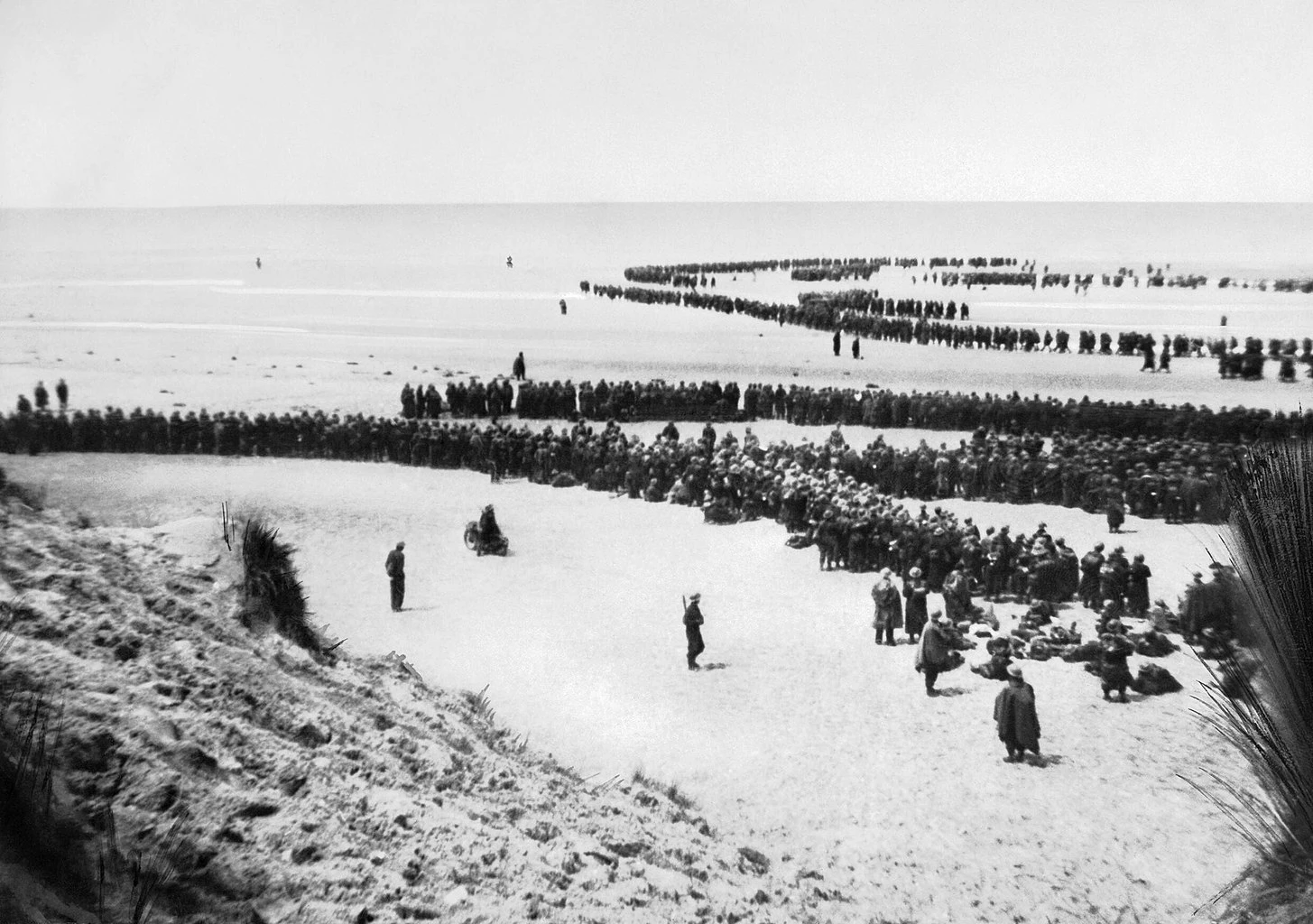
The Miracle of Dunkirk: How the Operation Dynamo Dunkirk Evacuation Saved the Allies
Updated 29th September 2026
Dunkirk. The name alone is synonymous with courage in the face of overwhelming odds.
On 10th May 1940—the day Winston Churchill became Prime Minister—Germany invaded France and the Low Countries. As the German military cut through allied defenses in a swift pincer movement known as the Manstein Plan, the British Expeditionary Force (BEF) alongside French and Belgian troops became surrounded. Trapped in a bottleneck sixty miles deep and fifteen miles wide, they faced constant, furious onslaughts from the Luftwaffe above.
Lord Gort, Commander in Chief of the BEF, wrote to Secretary of State for War Anthony Eden stating plainly that "a great part of the BEF and its equipment will be lost in the best of circumstances."
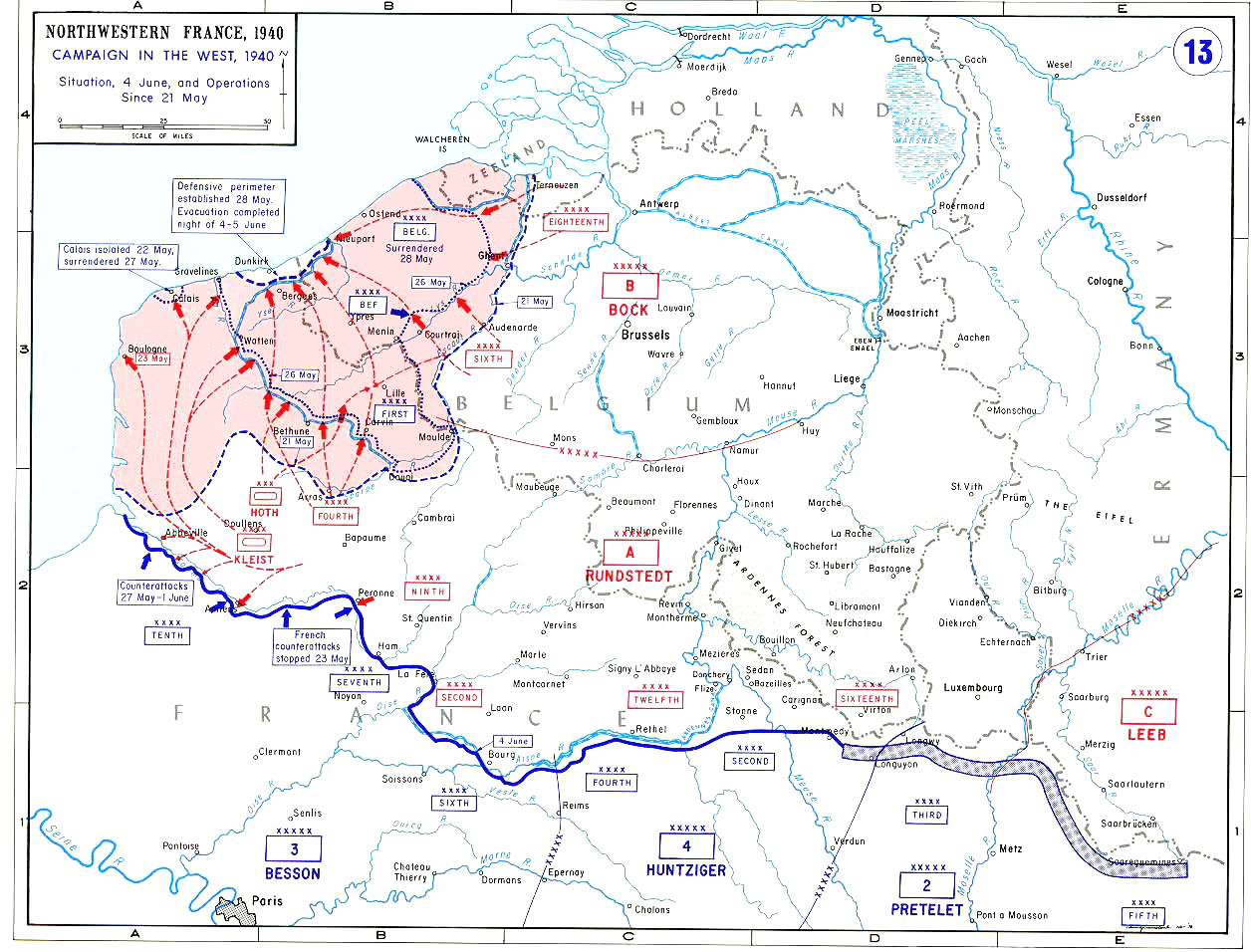
The situation was dire. German forces dropped propaganda leaflets from the sky alongside bombs, urging Allied forces to surrender: "Your troops are entirely surrounded – Stop fighting! Put down your arms!" As Allied troops pulled back, they disabled their heavy equipment and destroyed remaining stores. Trapped on the shallow beaches of the French coast, they endured ceaseless artillery fire and bombardment.
On 19th May, Winston Churchill addressed the nation over the radio, stating, "It would be foolish to deny the gravity of the hour."
By 25th May, the War Office officially authorised a full-scale rescue effort: the Operation Dynamo Dunkirk evacuation.
Planning Operation Dynamo: The Call for the Little Ships
Planning for the evacuation had begun days earlier on 14th May deep in the subterranean tunnels below Dover Castle, led by Vice Admiral Bertram Ramsay. Ramsay recognised that rescuing hundreds of thousands of men required shallow-draft vessels capable of getting close to the shore to ferry soldiers out to larger warships waiting offshore.
On 14th May 1940, the BBC broadcast a vital Admiralty request:
"The Admiralty have made an order requesting all owners of self-propelled pleasure craft between 30 foot and 100 foot in length to send all particulars to the Admiralty within fourteen days of today if they have not already been offered or requisitioned."
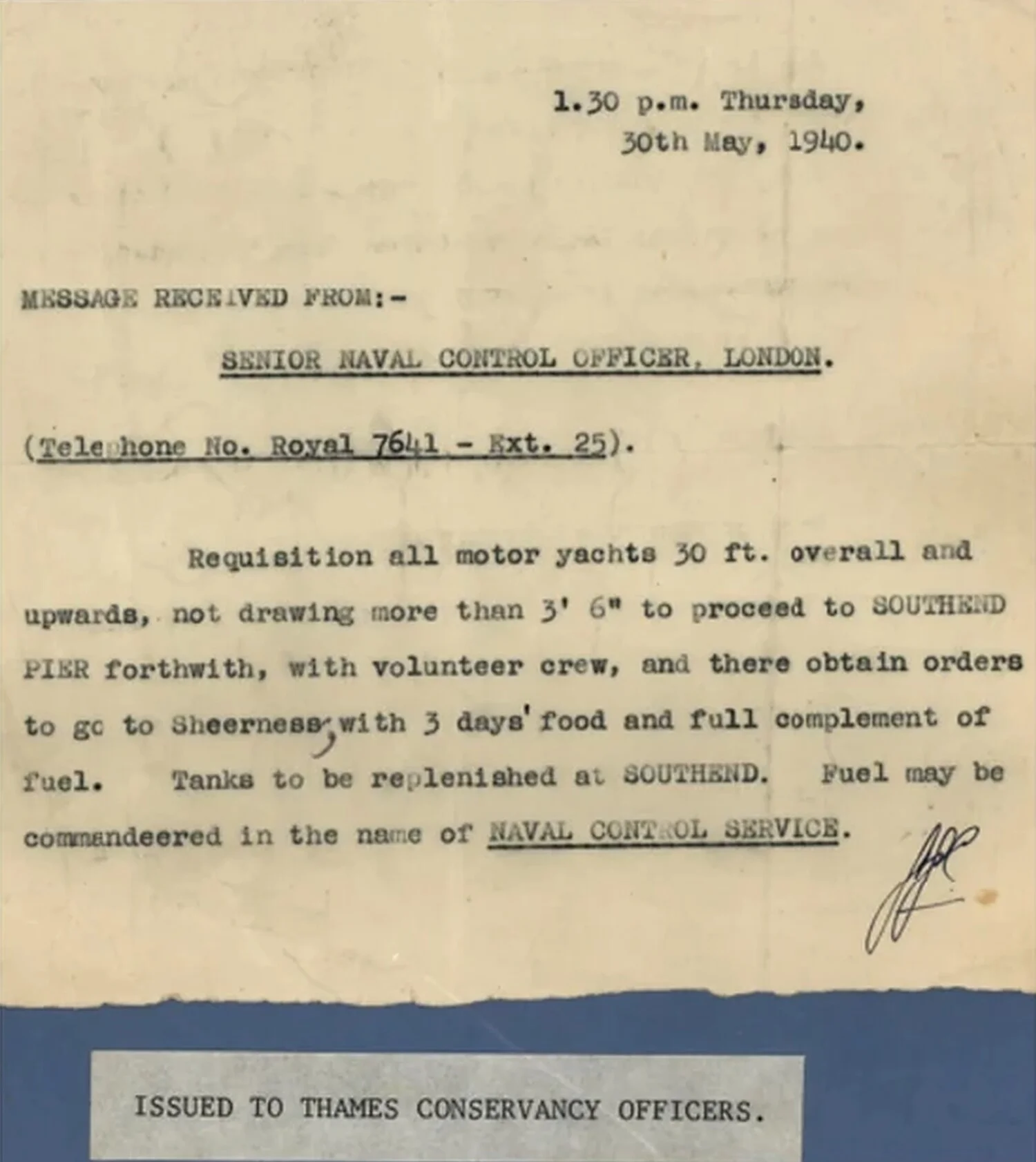
The call went out over the radio and was flashed across cinema screens nationwide, urging anyone with seafaring experience to report to Ramsgate immediately. Hundreds answered. Small vessels, pleasure craft, and fishing boats were collected from ports across the country—sometimes commandeered before owners even had time to grant formal permission.
Directing the Rescue from the Beaches
On 27th May, Admiral Ramsay ordered Captain William Tennant, appointed Senior Naval Officer at Dunkirk, to oversee the beachhead rescue. Tennant sailed across the Channel on HMS Wolfhound alongside 12 officers and 160 ratings, dodging air attacks along the way.
Upon arrival, Tennant identified that the beaches to the east of town and the East Mole—a long concrete breakwater extending into the sea—offered the best chance of rescuing men. Initial expectations were grim: military planners hoped they might salvage 30,000 troops from the carnage. Tennant immediately dispatched urgent requests to Ramsay for as many small craft as humanly possible.
To reach the beaches, vessels navigated three distinct Channel routes:
- Route Z: The shortest at 39 nautical miles, hugging the French coast, but exposed to coastal artillery during daylight.
- Route X: A 55-nautical-mile journey through heavily mined waters, making night transit impossible.
- Route Y: The longest at 87 nautical miles, avoiding land batteries but exposing ships to Luftwaffe air strikes and German surface vessels.
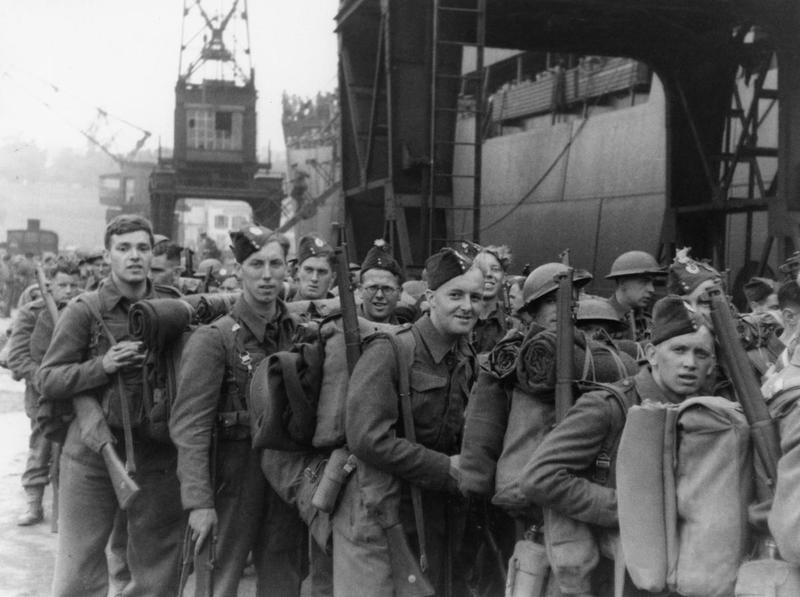
The Little Ships and the Flotilla of Ordinary Heroes
On 28th May 1940, more than 850 vessels set sail into the Channel. Their crews were a diverse mix of civilian fishermen, private boat owners, RNLI lifeboat crews, bargees, and young Naval reservists, many of whom had never navigated beyond the sight of the English coastline.
Among the first to cross the Channel was the Medway Queen, a 180-foot paddle steamer previously used for pleasure cruises along the River Thames. Capable of carrying up to 1,000 men at a time, her crew worked tirelessly across seven out of the eight nights of the operation, battling funnel fires and using oil bags to break up their boat's visible phosphorescent wake. At the opposite end of the spectrum was the Tamzine, a tiny 15-foot wooden fishing boat now preserved by the Imperial War Museum.
While the RAF flew nearly 4,000 sorties to engage the Luftwaffe and provide air cover above, the Operation Dynamo Dunkirk evacuation gained rapid momentum. On the first full day, only 7,669 soldiers were brought home. But over the next nine days, an unprecedented armada ferried men to safety. Many civilian crews returned to Ramsgate, unloaded exhausted soldiers, and immediately turned back across the Channel to repeat the perilous journey.
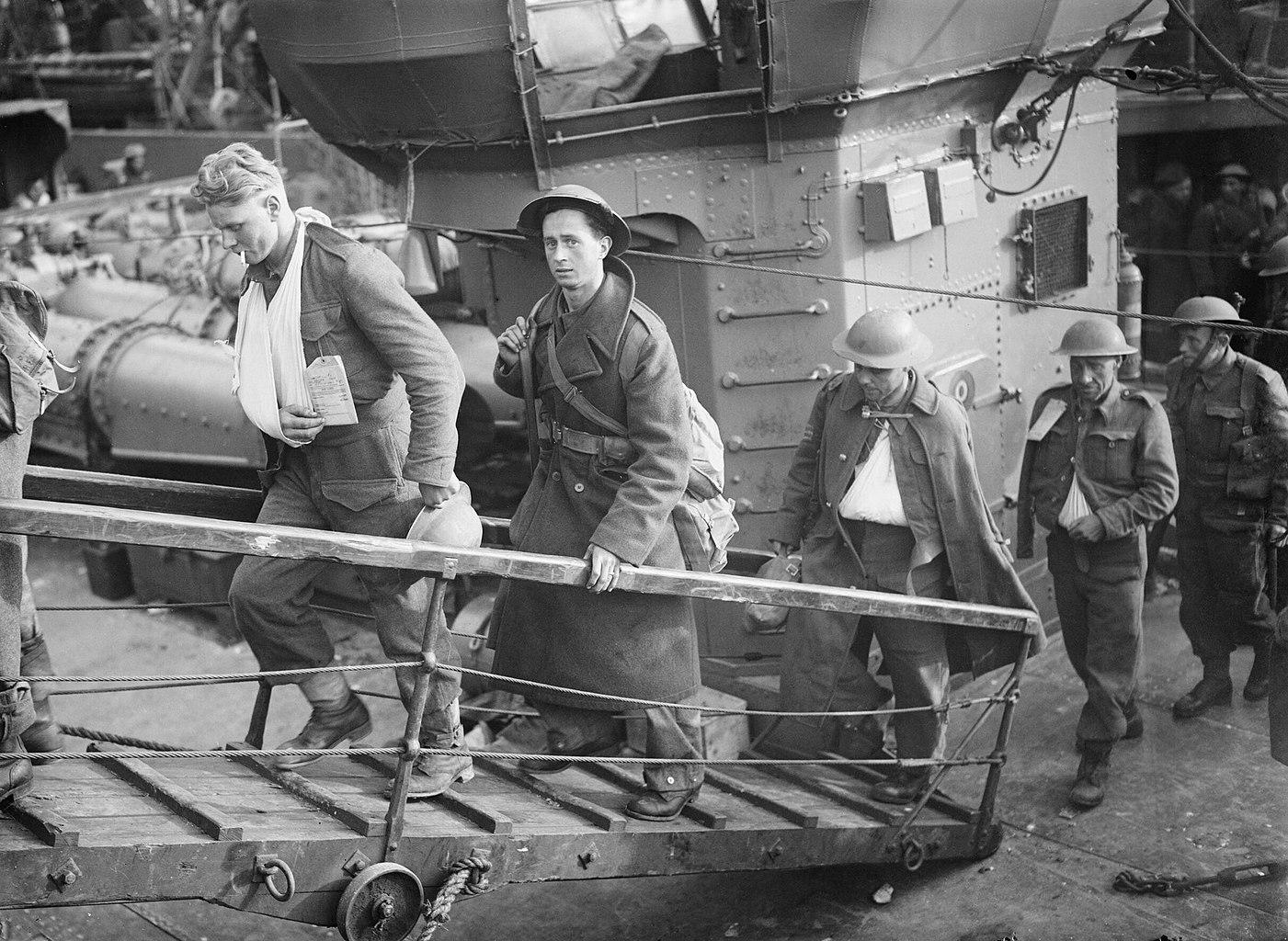
"BEF Evacuated, Operation Completed"
Pressure mounted on 28th May when King Leopold of Belgium surrendered, leaving Allied flanks further exposed. Churchill again warned the British public to "prepare for the worst."
Yet, against all statistical odds, the rescue succeeded beyond expectation. At 11:30 PM on 3rd June 1940, after verifying no British soldiers remained on the beachhead, Captain Tennant radioed Vice Admiral Ramsay with historic words:
"BEF evacuated, Operation completed. Returning to Dover."
By the time the Operation Dynamo Dunkirk evacuation officially concluded on 4th June 1940, more than 338,000 British, French, and Allied troops had been successfully rescued from the beaches.
What became celebrated as the "Miracle of Dunkirk" etched itself permanently into national memory, a testament to ordinary citizens who risked everything in the face of extreme danger to preserve freedom and bring their soldiers home.
Resources & Further Reading
The Association of Dunkirk Little Ships (http:/www.adls.org.uk)
WW2 Talk (http:;/ww2talk.com)
Admiral Sir Bertram Ramsey (https://www.dday-overlord.com/battle-of normandy/biographies/gb/bertram-ramsay
Sir William George Tennant Architect of Dunkirk or "Dunkirk Joe" Wikipediahttps://en.wikipedia.org/wiki/William_Tennant_(Royal_Navy_officer)
Imperial War Museum (https:/www.iwm.org.uk)
Royal Museums Greenwich (https://www.rmg.co.uk/)
Dunkirk (2017) film by Christopher Nolan (https://en.wikipedia.org/wiki/Dunkirk_(2017_film)
Dunkirk (1958) film by Leslie Norman (https://www.imdb.com/title/tt0051565/)
Pathe newsreels (www.britishpathe.com)
the secondworldwar.org (https://www.thesecondworldwar.org/western-front-1939-1940/operation-dynamo/the-mole)
Copyright HT @LLS
Your story starts here.
Submit your details on the corresponding form and one of us will get back to you to find out more about your requirements.